

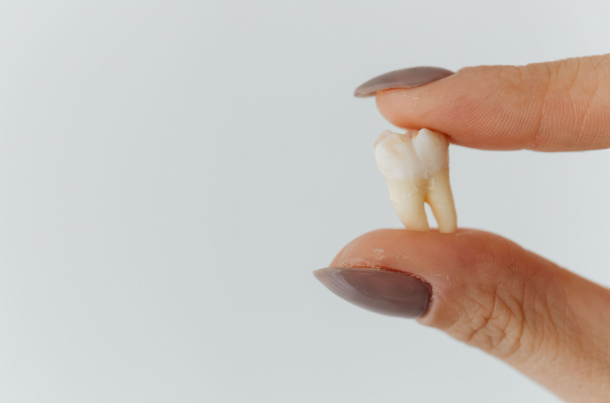
A common misconception is that wisdom teeth must always be extracted. Even though wisdom teeth are frequently extracted, not all wisdom teeth need to be treated. In many instances, wisdom teeth that have fully erupted can continue to be healthy, functional, and trouble-free for many years.
Usually appearing in the late teens or early twenties, wisdom teeth are the final set of molars to erupt. Several factors, such as their location, oral cleanliness, the health of the surrounding gums, and whether they are causing issues for neighbouring teeth, determine whether they need to be removed.
Here at Bespoke Smiles, we evaluate the oral health of each patient. Some wisdom teeth do not need extraction, while others may require removal to avoid future problems. Understanding the difference between healthy erupted wisdom teeth and problematic wisdom teeth will help you make informed choices about your dental health.
What Are Wisdom Teeth?
The wisdom teeth are the last and third pair of molars in the back of the mouth. With one wisdom tooth in each of the mouth's corners, most people grow four wisdom teeth. Nonetheless, some individuals might get fewer wisdom teeth, while others might not grow any at all.
Because these teeth usually appear between the ages of 17 and 25, early adulthood is frequently linked to them. Wisdom teeth were formerly necessary for our ancestors to chew tougher meals, but due to modern diets and smaller jaws, they are no longer thought to be necessary.
Wisdom teeth may partially erupt, emerge normally through the gums, or remain stuck beneath the jawbone and gum tissue as they develop. Whether they cause issues depends largely on where they are located and how much space there is in the mouth.
The Difference Between Impacted and Erupted Wisdom Teeth
Not every wisdom tooth erupts properly. Determining if treatment is required frequently begins with understanding the distinction between impacted and erupted wisdom teeth.
What Is an Impacted Wisdom Tooth?
Impacted wisdom tooth or teeth are unable to fully emerge through the gums due to a lack of room in the jaw or because they are developing at a different angle.
Most impacted teeth are totally stuck beneath the gums, while others just partially emerge. These teeth usually cause various oral health issues, including pain, swelling, infection, gum disease, tooth decay, and harm to adjacent teeth.
Impacted wisdom teeth are frequently detected during normal dental examinations and X-rays, even before symptoms appear. As a result, regular dental checkups are essential for monitoring developing wisdom teeth.
What Are Erupted Wisdom Teeth?
Erupted wisdom teeth have successfully broken through the gums and are now fully visible in the mouth. In many circumstances, they can function similarly to normal molars, assisting in chewing.
However, eruption does not guarantee a wisdom tooth's health. Some erupted wisdom teeth are located in difficult-to-clean regions, increasing the risk of plaque buildup, decay, and gum disease.
Even if wisdom teeth do not cause immediate pain, continuous monitoring allows your dentist to detect possible problems before they worsen.
When Removing Fully Erupted Wisdom Teeth Is Recommended
In certain circumstances, removing fully erupted wisdom teeth may be the best course of action to safeguard your long-term oral health, even though some wisdom teeth can stay in place without creating concerns.
Tooth Decay and Cavities
Wisdom teeth are located in the far rear of the mouth, making them more difficult to brush and floss.
As a result, food particles and plaque can collect on the tooth surface and gum line. Over time, this raises the likelihood of tooth decay and cavities.
In some circumstances, decay can spread to adjacent molars, compromising other healthy teeth. If a wisdom tooth is severely decayed or consistently causes issues, extraction may be recommended to avoid further concerns.
Gum Disease
Your teeth are supported in large part by healthy gums. However, wisdom teeth occasionally produce spaces where bacteria get trapped, resulting in infection and inflammation.
Redness, swelling, pain, or bleeding during brushing are early indicators of gum disease. Gum disease can worsen and impact the supporting tissues surrounding teeth if left untreated.
Removing a wisdom tooth may assist preserve the health of the nearby gums and teeth when it is a contributing factor to persistent gum issues.
Crowding and Alignment
Wisdom teeth occasionally put pressure on nearby teeth or worsen alignment issues. Patients who have previously received orthodontic treatment and wish to preserve their outcomes may find this to be especially crucial.
During a checkup, your dentist will determine whether extraction would be advantageous and whether your wisdom teeth are influencing the position of neighbouring teeth.
Pain and Infection
Persistent discomfort should never be ignored.
Both bottom wisdom teeth and upper wisdom teeth can develop infections that cause pain, swelling, and difficulty chewing. Some patients experience recurring episodes that temporarily improve before returning.
Repeated infections may indicate that the wisdom tooth is creating an environment where bacteria can thrive. In these cases, extraction is often recommended to eliminate the source of the problem and reduce the likelihood of future complications.
Warning Signs You Should Never Ignore
Wisdom teeth conditions might not typically appear suddenly. Many issues begin with minor symptoms that get worse over time.
Symptoms to Watch For
You should schedule a dental examination if you experience the following:
- Pain at the back of the mouth
- Swollen or bleeding gums
- Jaw discomfort or stiffness
- Difficulty chewing
- Persistent bad breath
- An unpleasant taste in the mouth
- Facial swelling
- Sensitivity around wisdom teeth
These symptoms usually suggest an infection, decay, gum disease, or other issues that need medical attention.
Why Early Assessment Matters
Early evaluation spots possible issues before they worsen or become more challenging to manage.
At Bespoke Smiles, we assess the location and condition of your wisdom teeth using thorough examinations and dental imaging. This helps in determining which course of action is best for your particular requires: monitoring, treatment, or bottom or upper wisdom teeth removal.
Early intervention can improve your long-term dental health, lessen the chance of infection, and minimise pain.
Understanding Your Wisdom Teeth Treatment Options
Not every wisdom tooth that has fully erupted needs to be extracted. Wisdom teeth can frequently stay in place without producing issues if they are healthy, positioned correctly, and simple to maintain.
However, the best course of action may be to extract completely erupted wisdom teeth in cases of tooth decay, gum disease, recurrent infections, crowding issues, and persistent discomfort.
A professional dental evaluation is the most efficient approach to find out if your wisdom teeth need to be treated. Schedule an appointment with Bespoke Smiles today, and we'll assess your wisdom teeth and discuss the best treatment for keeping your smile healthy.