

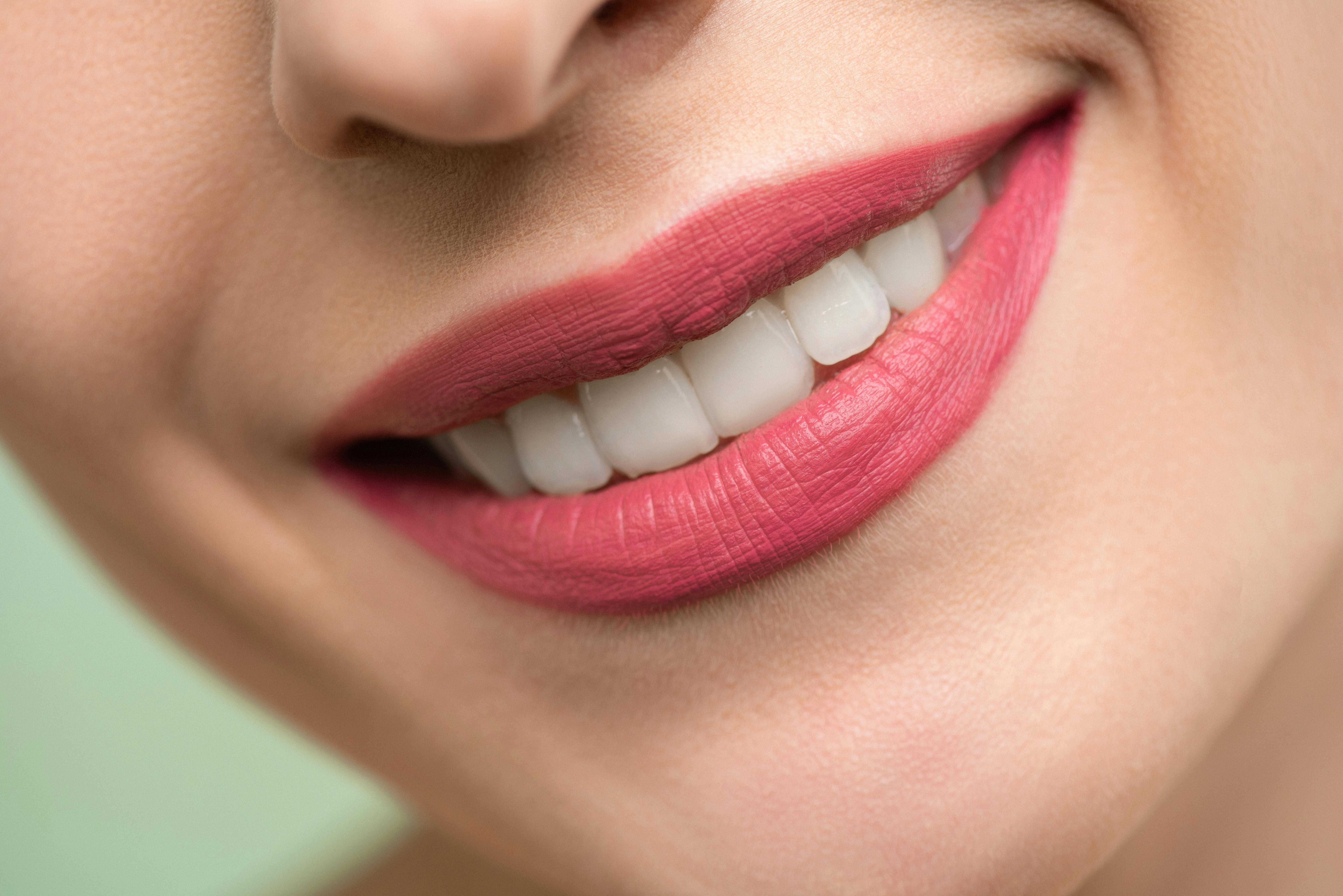
One of the most common cosmetic dental procedures is teeth whitening, which gives patients a more radiant and confident smile. There are now many safe methods to whiten teeth, ranging from at-home solutions to expert procedures.
Although some people have naturally sensitive teeth, whitening can be irritating. If you have sensitive teeth, choosing the right procedure and following your dentist's instructions will help protect your enamel and gums while still delivering excellent results. This guide will help you understand what causes tooth sensitivity, whether teeth whitening harms enamel, and which safety whitening options are available.
What Causes Sensitive Teeth?
Tooth sensitivity develops as the protective enamel layer wears away or when gum recession reveals the dentine beneath. When the enamel is compromised, whitening solutions can enter the tooth, increasing the risk of discomfort.
Common causes of sensitive teeth are:
- Exposed dentin
- Aggressive brushing
- Brushing with a hard-bristled brush or a frayed toothbrush
- Gum recession resulting from gum disease or ageing
- Bruxism or tooth grinding
- Cavities or cracked teeth
- Acidic foods and drinks that erode enamel
- Frequent use of strong whitening products
Although some people experience mild tooth sensitivity, constant discomfort is not normal. When the enamel is weakened, whitening solutions can enter the tooth, increasing sensitivity.
Safe Teeth Whitening Options for Sensitive Teeth
Teeth discolouration is a widely regarded dental health issue; it’s also considered a visual record of one’s diet and lifestyle, such as smoking.
Take-Home Whitening Kits from Dentists
Take-home whitening kits offer a convenient alternative to professional whitening. However, the results gradually appear, unlike in-clinic treatments, where the whitening is obvious right away.
Before using take-home kits, it’s best to consult a dentist beforehand to uphold safety and effectiveness. The gels and agents in these kits are typically lower in peroxide concentration than those used in in-clinic treatments, making them gentler on sensitive teeth. Compared to over-the-counter products, these kits provide effective teeth whitening.
Whitening Toothpaste for Sensitive Teeth
Whitening toothpastes made for sensitive teeth take a more gradual approach. These treatments use ‘low-abrasion’ and low quantities of whitening chemicals without irritating the gums.
While the process takes considerable time, this method is ideal for retaining brightness and reducing the risk of discomfort.
Natural Whitening Teeth Options: Are They Safe?
Does teeth whitening damage enamel? Many people look for natural, effective teeth whitening methods as a gentler alternative. Natural teeth-whitening methods are often inexpensive and readily available, but they are not as effective.
Among the most popular whitening techniques are:
- Baking soda: Making a mildly abrasive paste with baking soda and water is a highly popular natural teeth-whitening method because it’s widely accessible.
- Hydrogen peroxide: A mouthwash containing 1-3% hydrogen peroxide can oxidise stains and act as a natural bleach. It’s important to note not to ingest it.
- Activated charcoal: With its highly abrasive particles, activated charcoal scrubs the stains off teeth, but it’s also known to wear down enamel.
- Oil pulling: An ancient Ayurvedic practice, this method involves swishing coconut oil for 15-20 minutes to reduce germs and plaque, which can lead to whiter teeth over time.
These natural whitening teeth methods are not as effective as professional treatments, even if they may help remove minor surface stains. More significantly, they can be dangerous if used improperly or excessively.
Teeth Whitening and Cleaning Work Better Together
For people with sensitive teeth in particular, teeth whitening and professional cleaning are most effective together. Whitening treatments are more effective, even, and gentle on enamel when done on a clean surface.
Here’s why it’s highly recommended to combine professional teeth whitening and cleaning:
- Removes plaque, tartar, and surface stains: Professional cleaning removes build-up and stains from foods and beverages, leaving a clean surface for whitening.
- Lowers the likelihood of sensitivity and discomfort: Healthy gums and clean tooth surfaces help reduce discomfort during and after whitening procedures.
- Allows for safer, lower-intensity whitening treatments: With fewer surface stains, dentists can now use gentler whitening methods better suited for sensitive teeth.
- Improves whitening effectiveness and outcomes: Whitening solutions act more evenly and efficiently on clean teeth, resulting in brighter, more consistent results.
- Supports dental health with long-lasting results: In addition to enhancing overall oral health, a clean foundation helps preserve whitening benefits longer.
Choosing the Right Whitening Method
Choosing a suitable teeth whitening method is essential, especially if you have sensitive teeth. Not all treatments are suitable for everyone, and using the wrong procedure can lead to additional discomfort or inconsistent outcomes.
- Your level of dental sensitivity: Mild sensitivity may respond to whitening toothpaste or dentist-prescribed kits; however, severe sensitivity often requires professional in-clinic treatments with desensitising medications.
- Origin and severity of tooth discolouration: Surface stains respond well to moderate whitening, and deeper stains may require supervised treatments to provide visible effects.
- Variety and potency of whitening products: Low-concentration treatment and custom trays are safer for sensitive teeth than over-the-counter solutions.
- Desired results and timeframe: Professional treatments usually produce results quickly, though gradual options reduce the risk of discomfort.
- Current oral health status: Gum recession, enamel erosion, and untreated cavities must be addressed before any whitening treatment procedure.
In the end, the best method to choose the right whitening treatment is to have a dental consultation. A dentist can evaluate your dental health, recommend the best course of action, and advise you on how to reduce sensitivity during the procedure. You can have a whiter smile without affecting comfort if you use the proper method.
Ready to See A Dentist?
Teeth whitening does not have to be painful or dangerous, especially if your teeth are sensitive. With the proper procedure, you can get a brighter smile while protecting your enamel. Dentist-approved kits and gentle products are all safe and effective options. By avoiding misuse and seeking expert advice, you can reduce sensitivity and enjoy lasting results.
Suppose you’re not sure which treatment is best for you or whether teeth whitening damages enamel. Schedule a consultation with your dentist. Here at Bespoke Smiles, our dentists provide the secure first step towards confident teeth whitening.